More Than Ever
Why Industrial Cleaning Matters in Food Processing
Cleanliness is one of the most vital pillars of food safety. In food manufacturing environments, effective sanitation is not only essential for preventing contamination, but also for meeting stringent food safety regulations. This is where industrial cleaning chemicals play a crucial role.
Unlike household cleaners, these specialized formulations are designed to handle the demanding conditions of food production—removing grease, protein buildup, and biohazards while ensuring surfaces remain safe for contact with consumables.
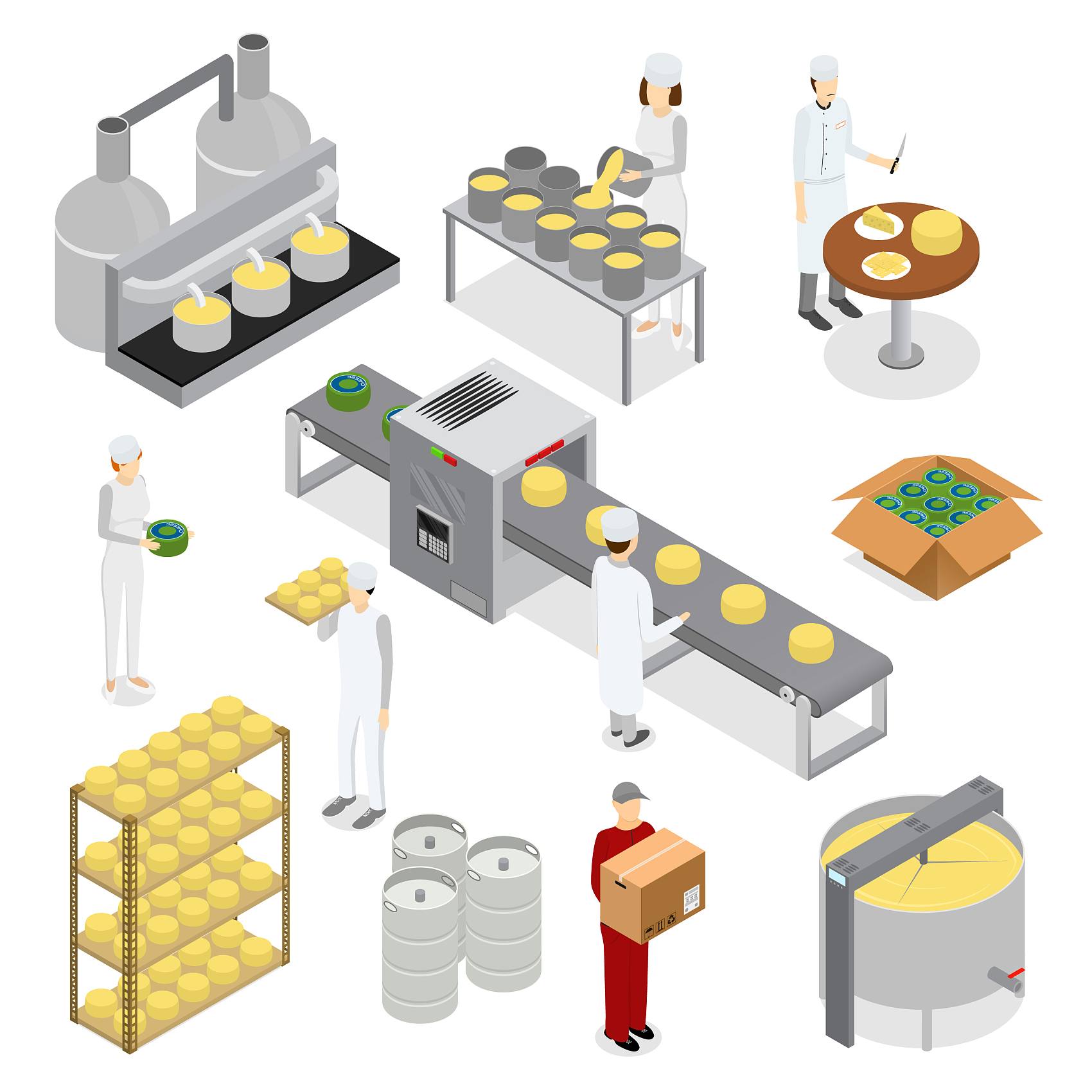
Risks of Poor Hygiene in Food Facilities
- Cross-contamination:Pathogens from raw meat (like Salmonella or Listeria) can migrate to ready-to-eat foods if surfaces are not properly disinfected.
- Bacterial growth:Residue buildup creates breeding grounds for harmful microorganisms.
- Quality issues:Even trace contaminants can affect taste, shelf life, and product integrity.
- Regulatory violations:Non-compliance with food safety standards can result in recalls, legal liability, and reputational damage.
Why Industrial Cleaning Products Are Essential
Household cleaners fall short in commercial environments. Industrial food-grade cleaning products are:
- Stronger & more durable:Designed for deep cleaning in large-scale operations.
- Target-specific:Formulated to remove organic waste, grease, and hard-to-clean residues.
- Non-toxic & certified:Safe for use on food-contact surfaces and compliant with regulatory standards.
Common Product Types Used in Food Facilities
- Disinfectants:To kill pathogens and prevent disease spread.
- Detergents:Break down proteins, oils, and organic debris.
- Degreasers:Remove heavy grease from fryers, grills, and ventilation systems.
- Surface cleaners:Leave no toxic residue, ensuring contact safety.
These products must be highly effective, non-corrosive, and easy to rinse, without damaging expensive equipment or leaving behind chemical residues that affect food quality.
The Importance of Training and Integration
Proper training is key. Cleaning staff must understand:
- Which product to use on which surface
- Correct dilution and application
- How to avoid recontamination during cleaning
Sanitation must also be seamlessly integrated into production schedules—including between-shift cleanups, regular surface disinfections, and routine equipment maintenance.